Where to Go Beyond Rioja: Three Spanish Wine Regions to Know
Most travellers planning a wine-focused trip to Spain tend to gravitate toward Rioja or Ribera del Duero first. However, some of the country’s most interesting bottles come from smaller, lesser-known regions, with centuries of heritage, dramatic terrain and fascinating history.
Below are three of my favourites, not only for their great wines, but also for their unique landscapes. I’ve explored these regions and vineyards myself and can advise you on how best to plan a dedicated trip there, or how to add on a few days to a vacation in Catalonia, Galicia or Valencia.
Feel free to reach out for a chat by hitting the button below!
1. Ribeira Sacra, Galicia
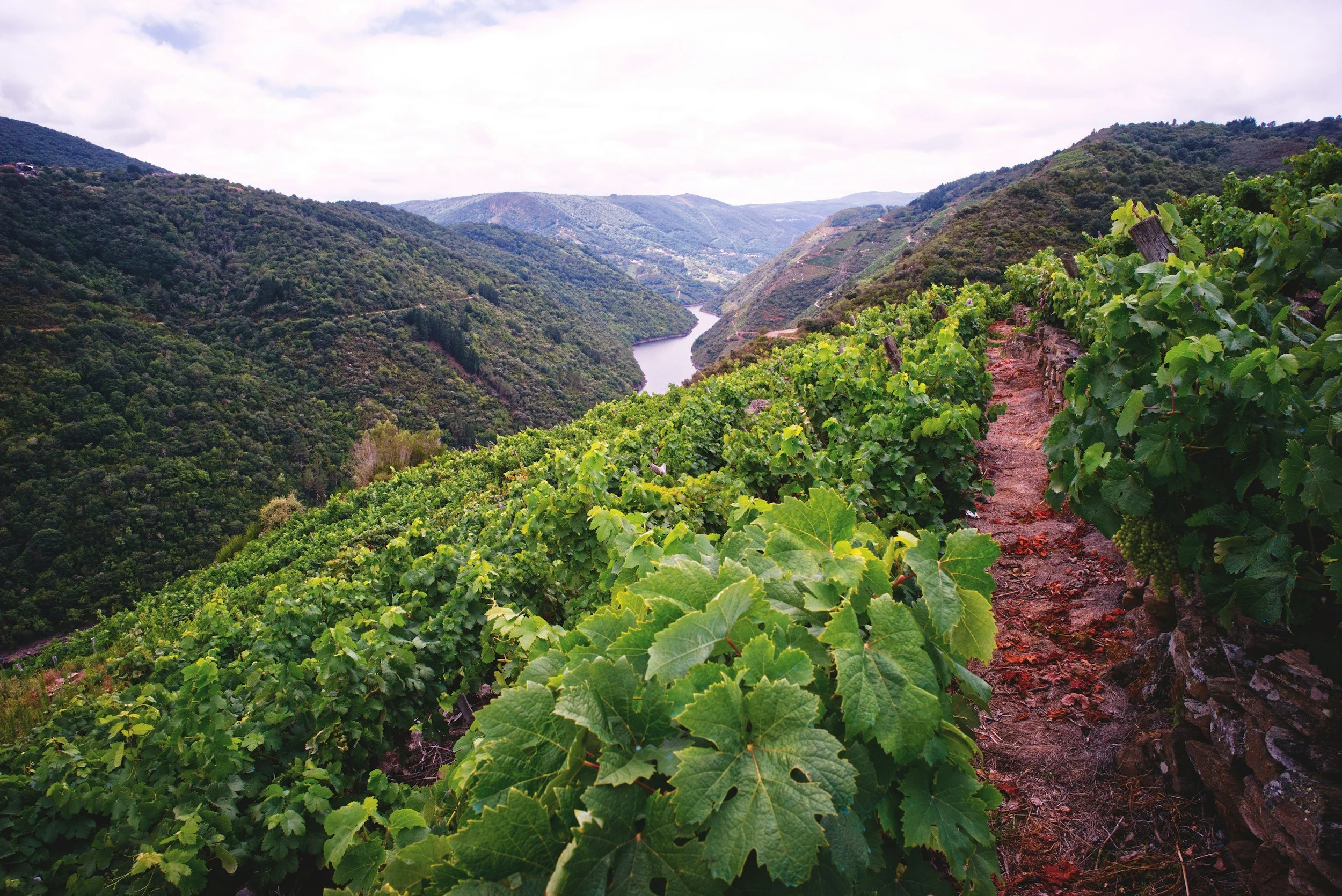
Albariño and Godello are not niche wines and are produced all over Galicia. However, the inland region of Ribeira Sacra feels like a well-kept secret. Vineyards here line the steep canyon walls carved by the Sil and Miño rivers, with slopes so severe that harvesting still has to be done manually.
For me, this is one of the most sublime corners of Spain — and just a 1.5 hour drive from Pontevedra, Vigo or Santiago de Compostela.
The region is known primarily for fresh, light reds made from Mencía grapes, as well as reds from Brancellao and Merenzao grapes. Wineries like Regina Viarum, Adega Algueira and Finca Míllara pair tastings with sweeping views over the river valleys. Another good way to experience the landscape is from the river itself, with a boat trip through the Sil canyon and a glass of local wine in hand.
The Parador de Santo Estevo is the place to stay in this valley. This sprawling former monastery-turned-luxury-hotel has breathtaking views over the misty, forested hills of the canyon.
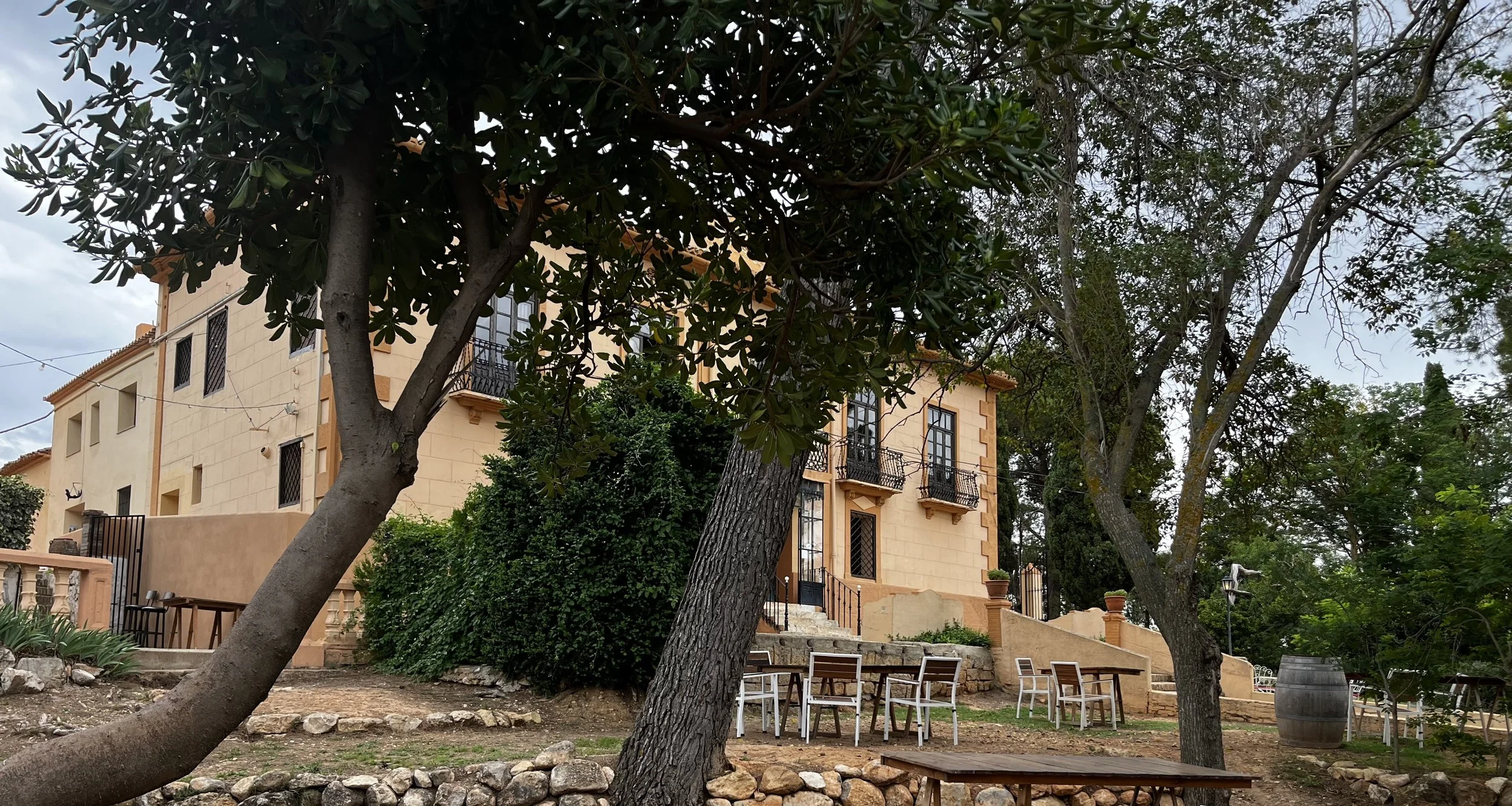
Vera de Estenas in Utiel Requena
2. Utiel-Requena, Valencia
Despite its location just one hour from Valencia, Utiel-Requena still flies under the radar for many wine travelers. This is Bobal country — a native grape variety that has been grown here for centuries and managed to survive the devastation of phylloxera that wiped out vineyards elsewhere in Europe.
In recent years, younger producers have been changing the perception of Bobal as a sturdy workhorse often used in blends, with refined wines that are gaining international attention. In Requena, Murviedro Bodega Histórica does tastings that take you under the medieval cellars that run warren-like under the town.
For a more rural setting, family-run estates like Vera de Estenas and Pago de Tharsys both offer tastings and overnight stays, making it easy to spend more time among the vineyards instead of driving back to the city.
3. Montsant, Catalonia
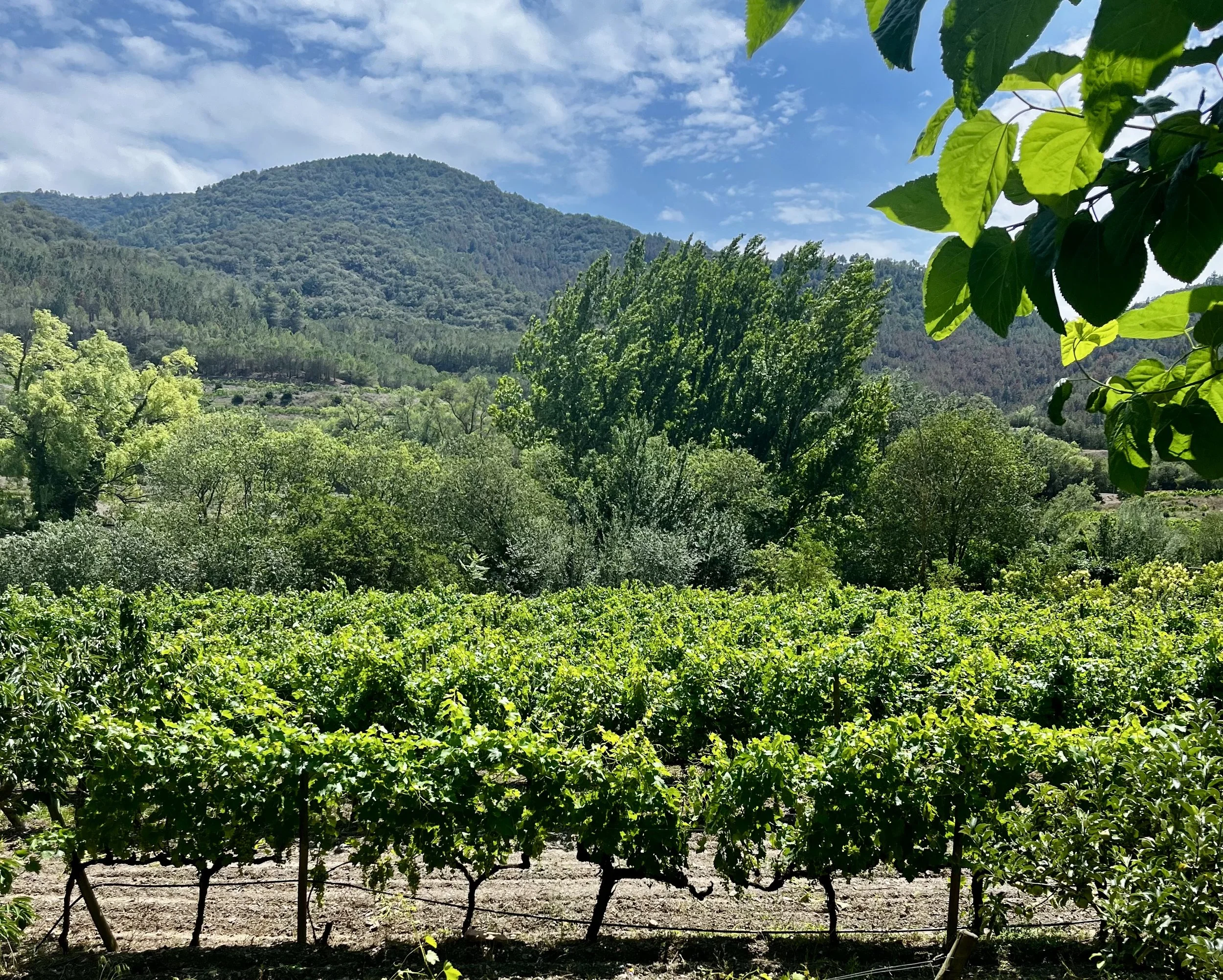
Roughly two hours from Barcelona, Montsant is ofen overshadowned by its more famous neighbour Priorat. The landscape is defined by rocky mountains and hillsides (it’s a big climbing zone), olive trees, and vineyards cut into the terrain. Montsant produces wonderful, balanced reds mainly from Garnacha and Cariñena grapes.
The tiny village of Cornudella de Montsant makes a great base for exploring the area. Start with a visit to Celler Cooperatiu, an historic building in the main street, designed by a disciple of Gaudí, before heading to taste more at wineries including Celler de l’Era, Baronia del Montsant and Celler Ronadelles.
Cornudella has an excellent little hotel, El Palauet del Priorat, with seven suites and the friendliest staff. For something more fabulous, it has to be Grand Hotel Mas D’En Bruno, about 10 miles from Cornudella village.