Beyond Barcelona: a 3-day roadtrip in Catalonia
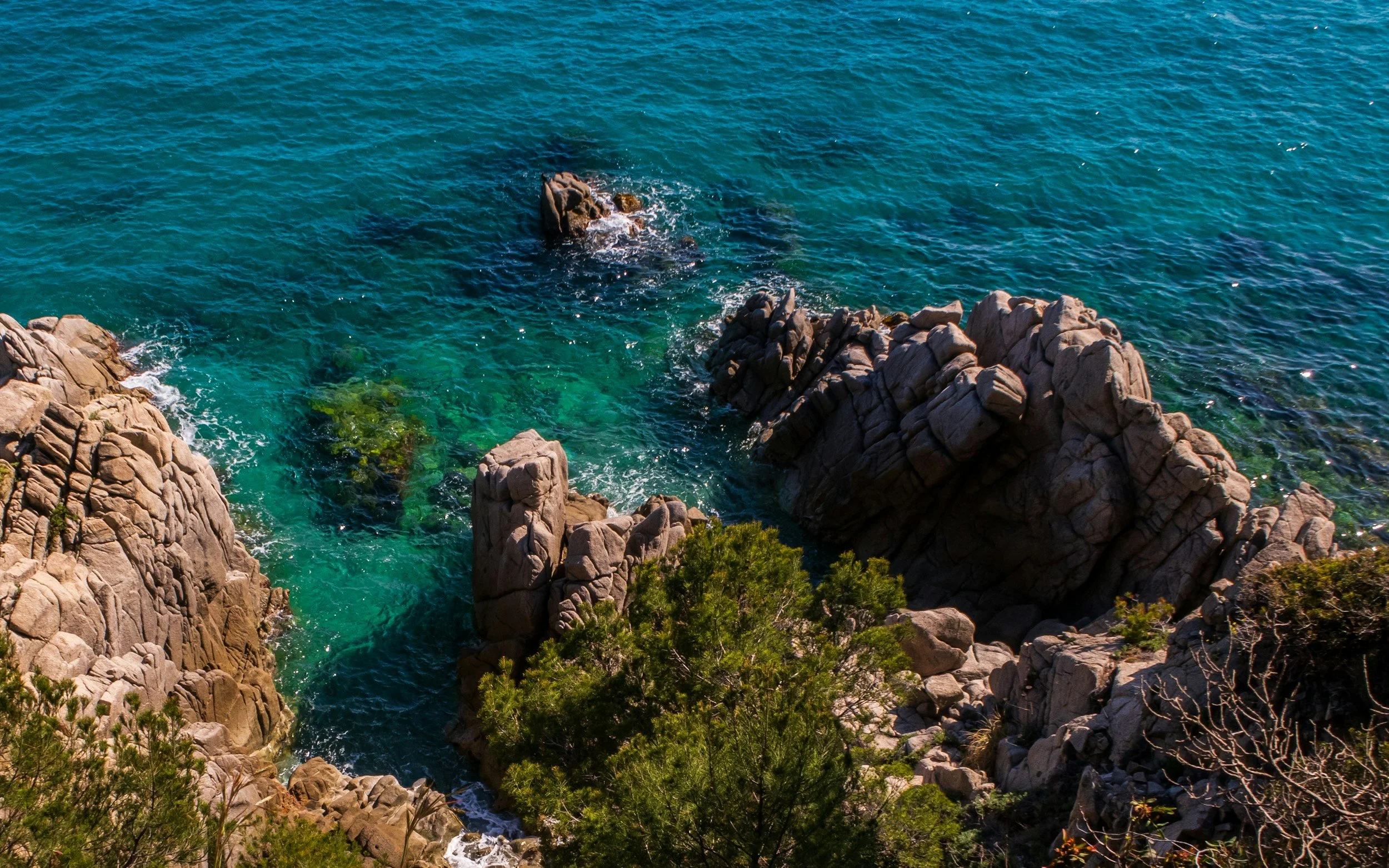
Craggy coast near Tossa de Mar
Catalonia in north-eastern Spain really has it all: little rocky beaches, huge national parks, twisty mountain roads and ancient stone villages, not to mention the mesmerising old city of Girona.
While many international visitors to Barcelona tack on a day trip to the nearby town of Sitges or Montserrat Monastery, fewer venture further afield to explore the beauty and diverse landscapes.
Catalonia is a paradise for nature lovers, hikers, history enthusiasts, cyclists (Girona is the beating heart of the cycling brotherhood) and anyone with an interest in outstanding food and wine.
You can get a feel for it in three days – just grab a rental car at Barcelona airport or Sants train station and hit the road
Here’s a sample itinerary of a 3-day loop. If you’re intrigued, just hit the button below to chat about how I can customise a Catalonian adventure for you.
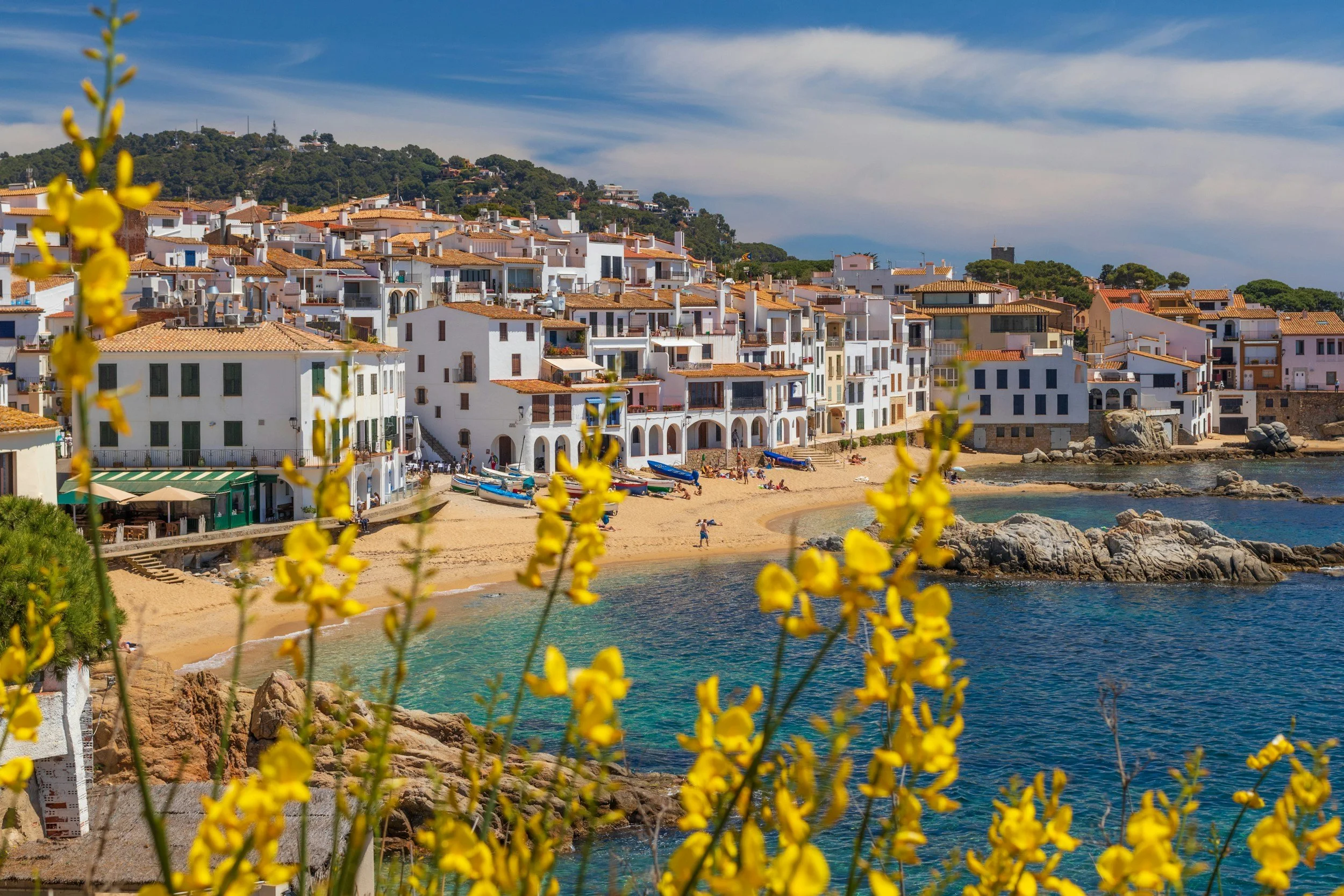
Day 1: Winding along the Costa Brava
The Costa Brava is arguably the prettiest stretch of Spain’s Mediterranean coast and mainly free of the high-rise hotels. You’ll find rocky beaches, cliffs edged with pine trees, and fishing villages on your drive north. Be sure and throw your swimsuit and rock shoes into the car so you can stop off for a swim.
Driving from Barcelona to Cadaqués takes about 3.5-4 hours (around 200km), so you’ve got time to stop for lunch and snacks en route. Some of the most beautiful hotels are inland – ask me for recs on the best ones to suit your group.
Four towns to admire on your way up the coast…
Tossa de Mar: You may want to stop by the stunning sea-adjacent Marimurta botanical gardens in Blanes, 30 minutes south of Tossa de Mar first. In Tossa, have a walk through the old town, along the golden beach and up to the lighthouse at the end.
Calella de Palafrugell: Ridiculously pretty little town with cobblestone streets and white cottages right on the sand.
Begur: This town, just a mile inland, is definitely worth exploring before you head down to the coves. Climb up to the medieval castle for the view out to sea.
Cadaqués: Bohemian Cadaqués is enchanting, with its blue shutters, white houses and pink blooms. It’s inextricably linked to its most famous resident Salvador Dalí – some of his art can be seen at his former villa in Port Lligat. For fans, don’t miss the main Dalí museum in Figueres, about an hour inland from Cadaqués.
BTW: Disfrutar in Barcelona (voted World’s Best Restaurant 2024) has a great, casual restaurant in Cadaques, called Compartir. It’s way easier to reserve than Disfrutar.
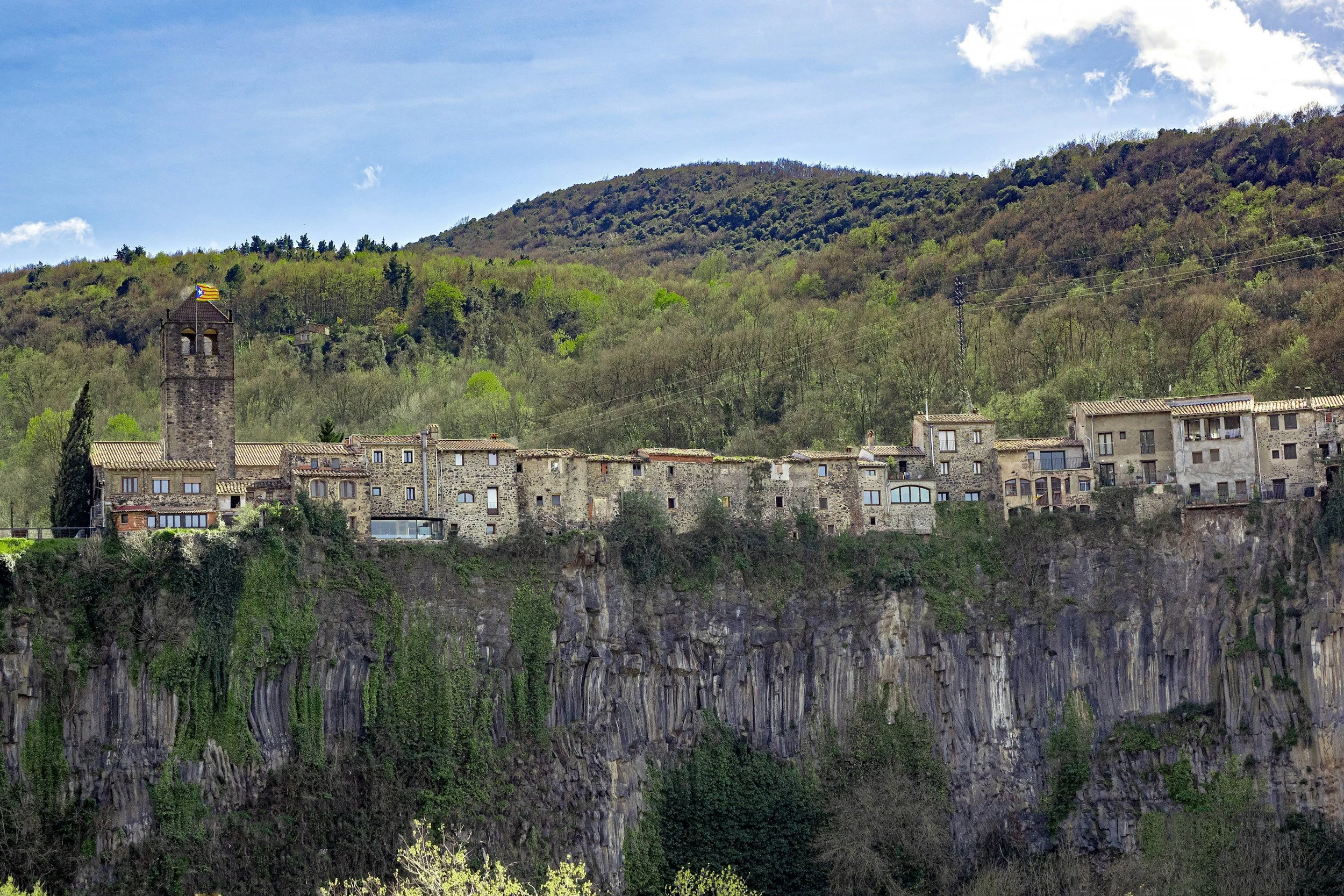
Day 2: Around Olot & the Garrotxa Volcanic National Park
Break up the drive to Olot with a couple of hours in Besalú, a flawlessly preserved village from the Middle Ages.
Once in Olot, weave through the bustling old quarter and start your ascent round the back of the old bullring. You’ll pass through a storied graveyard on the hill, and then follow the basalt trail to the watchtower. From there, you’ll have a panoramic vista over the whole landscape, and can walk down into a green crater of an extinct volcano — one of 40 in the park. It’s absolutely worth getting up at sunrise for a hot air balloon ride over the dormant craters.
We stayed in the hamlet of San Vicente de Torelló, a 10 minute drive from Olot, in a family finca-hotel with gorgeous interiors, garden and pool.
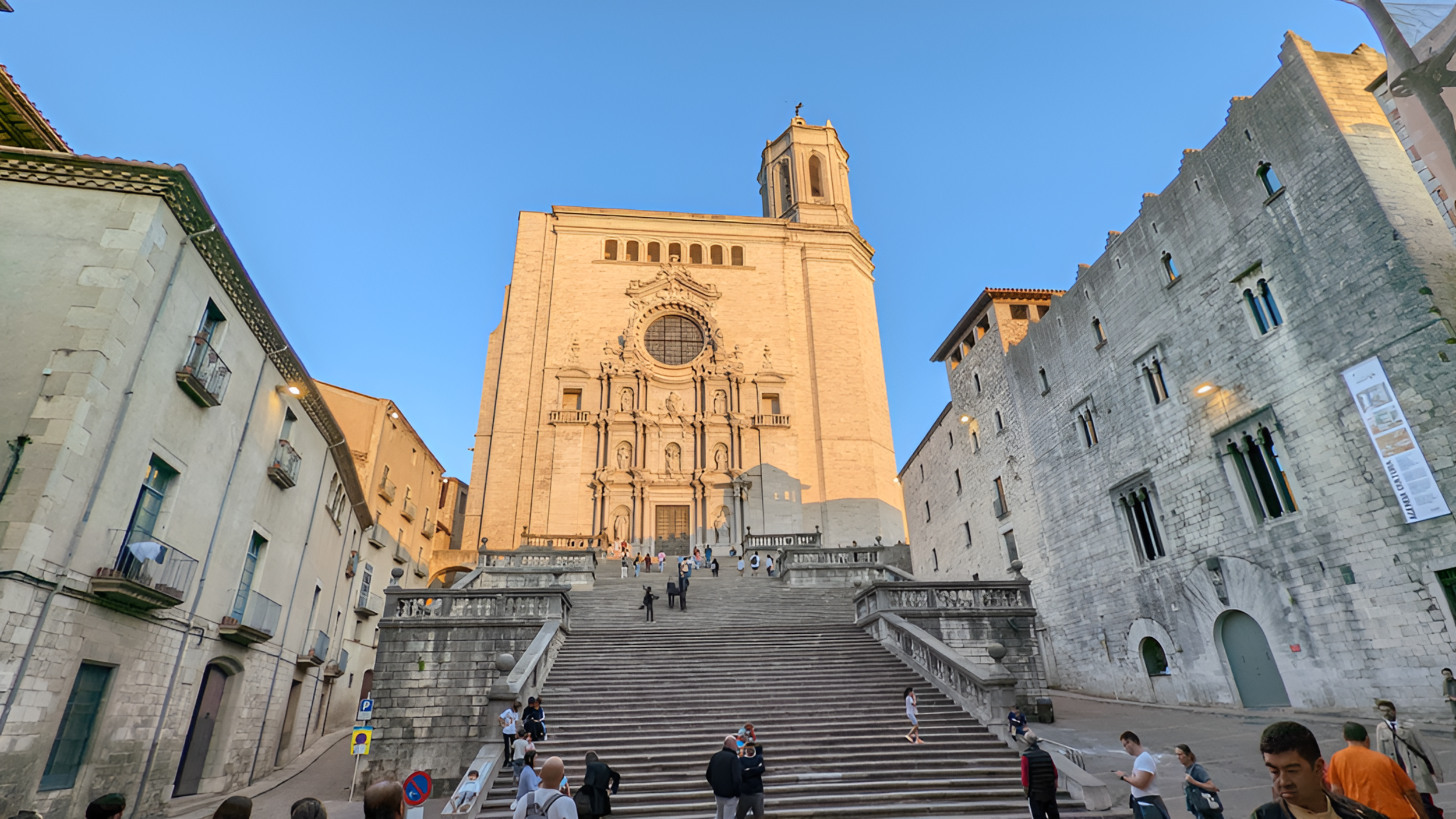
Day 3: The Medieval Magic of Girona
An important stronghold as far back as Roman times, Girona’s labyrinthine stone passageways, endless stone steps and covered terraces feel like a cinematic backdrop—fitting, given its turn in Game of Thrones. Sturdy trainers required for this day!
A single day will give you a good feel for the city: walk along the top of the medieval city walls for great views, pop into the 12th Century Baroque cathedral, and visit the Arab Baths and tiny alleys of the old Jewish quarter (El Call). Don’t forget to cross the iconic Get a pic on the Pont de les Peixateries Velles, the red metal bridge designed by Gustave Eiffel.
Ideally, you’d stay two nights here as there are so many great restaurants, the town warrants much wandering and there are a bunch of surrounding villages to visit too. The Palau Fugit hotel in a converted 18th Century palace is the place to overnight if you do. Otherwise, it’s just a 1.5 hour drive back Barcelona.
BTW: The legendary three-Michelin star restaurant El Celler de Can Roca is closed until spring 2027, but the Roca brothers have a couple of casual restaurants in town, an ice-cream shop, and have opened a fabulous new hotel (Espirit Roca) in the countryside nearby.
If this has whetted your curiosity, click the button to set up an obligation-free chat about customising a trip.