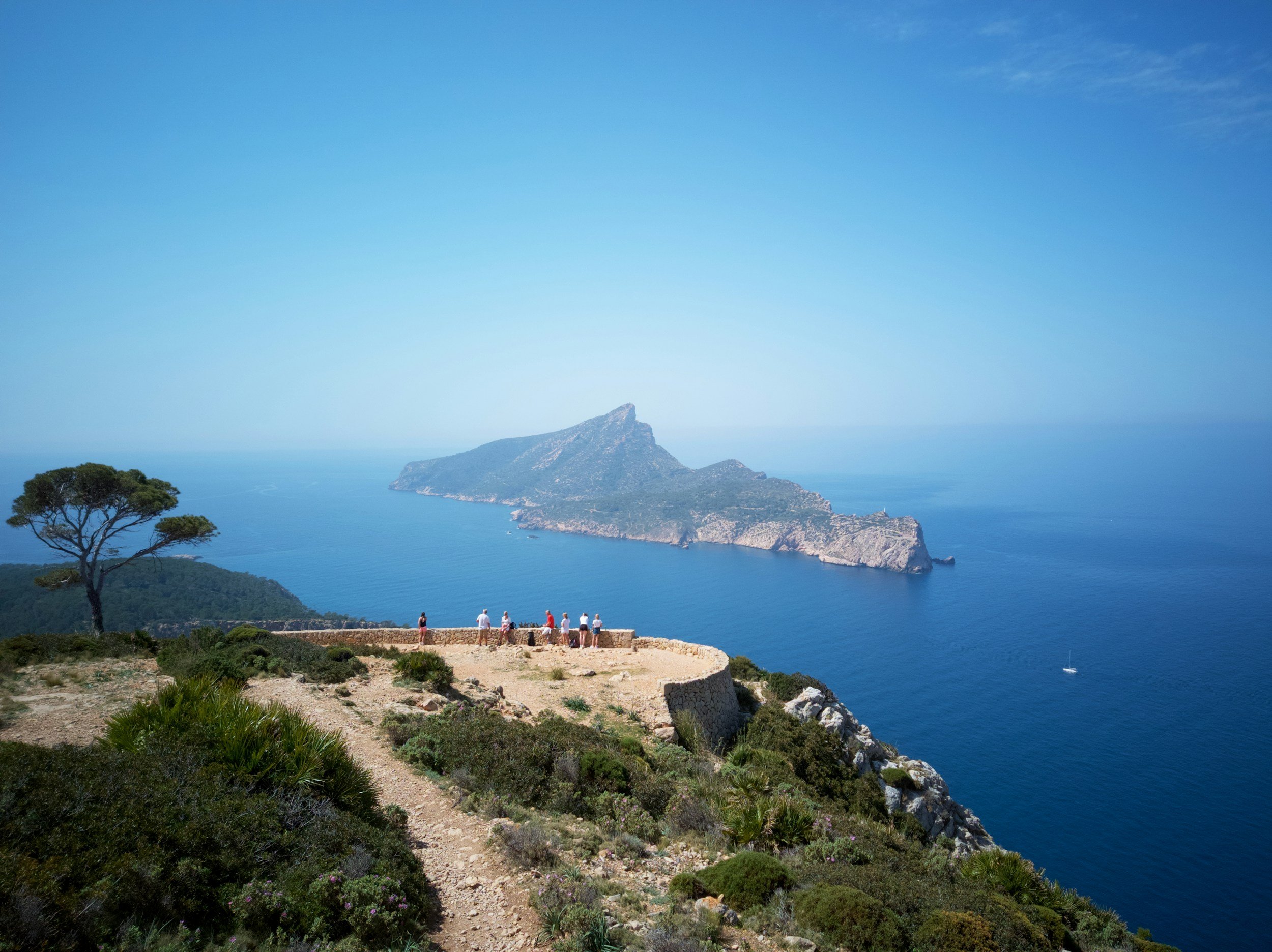
Mallorca Drives
Mallorca is 100km (62 miles) east-to-west and 75km north-to-south.
The best way to explore it at your leisure is to spend one day driving up the east coast and one day on the west, adding on the north coast either of those days.
You’ll see numerous great beach bars (“chiringitos”) and beach-side restaurants. Here’s a local Top 20 list as a guide.
Palma: The capital is absolutely beautiful and worth at least stopping in for some tapas, a walk in the old town, and a look at the massive Gothic cathedral. A great place to shop if you’ve still got room in your luggage!
Binissalem: located right in the middle of the island, this is where the festival is.
The East Coast
Santanyí: This would be a good first stop after you leave the coast and head inland. It’s a pretty little town with cafés, boutiques, and galleries and houses made of local sandstone. The old center is lively, but also flat for easy walking. The town square usually has a Wednesday and Saturday morning market.
Cala Figuera: Close to Santanyí, this picturesque village with whitewashed cottages along a natural harbour is worth checking out as you start your drive up the east coast. There are fresh seafood restaurants in the marina, as well as Restaurant Es Port if you fancy a pizza with sea views, and Bon Bar in the harbour.
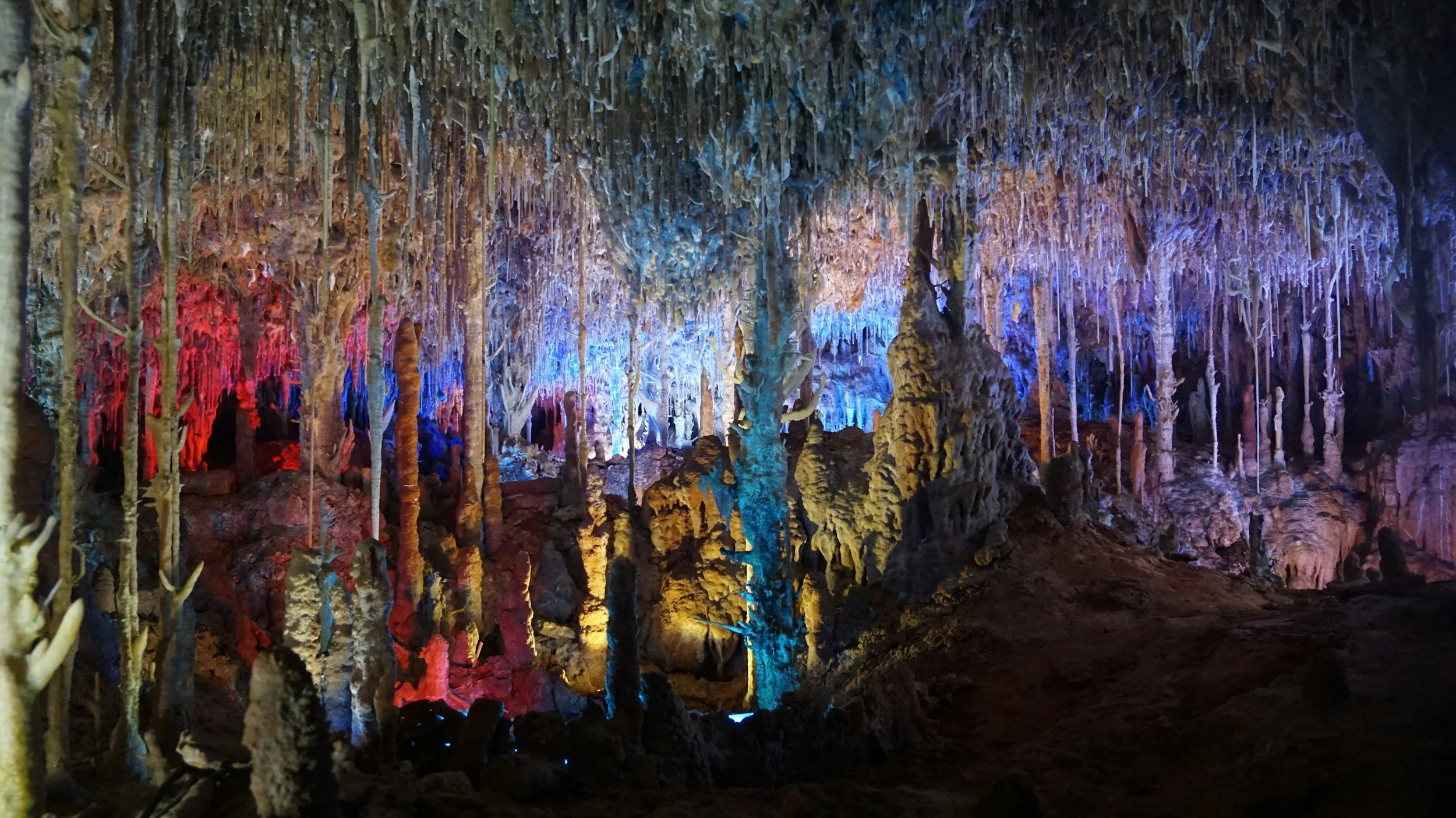
The Drach Caves (Coves del Drach) & Porto Cristo This underground cave complex with one of the world’s biggest underground lakes is a popular tourist stop and pretty amazing. You walk down the steps underground and climb into rowing boats to float along the lake. Located at the entrance to the laidback town of Porto Cristo.
Note: There are steps and uneven ground down to the caves that might make access a little challenging. The cave/boat experience takes about an hour, so if some friends prefer to skip the caves, they can wait in a beachside bar in Porto Christo. Lunch could be Vibes (seafront terrace) or Faro Gastrobar (harborside).
Beaches around Porto Cristo: Cala Estany d’en Mas (accessible beach), Cala Anguila/Mendia, and the town beach of Porto Cristo itself.
Portocolom: 20 minutes south of Porto Cristo, Portocolom is one of the most beautiful fishermen’s villages on the island, with pastel-painted cottages around a natural harbor. You can drive up to the main quay and stroll along the flat promenade, where you’ll find some waterfront restaurants.
NB: Don’t bother stopping off Magaluf and S’Arenal on your way to the east coast. They’re package holiday towns and not worth the detour.
Medieval Fortress Towns on the East Coast
Felanitx: A short hop inland from Portocolom, with a castle, monastery, and Sunday street market.
Capdepera: North of Porto Cristo, this is a beautiful and ancient rural town that wraps around a hill, with a 14th-century fortified castle. The market square and surrounding cafés are accessible and easy to explore, but the path up to the castle is very steep with bumpy cobblestones.
Artà: Another authentic and stunning old village – a little more off the beaten track, with a monastery at the top of the hill (Sanctuari de Sant Salvador).
The North Coast
Port de Pollença is the portside harbor town and Pollença is the pretty inland village. You could visit Pollença at the end of your route either up the east coast or the west.
Restaurante Cantonet: great Italian with home-made pasta in a cute courtyard in Pollença village. Restaurante Grill Mares: for excellent charcoal grills. Iru: cute spot with a good wine list on the marina edge in Port de Pollença.
Alcudia beach: if you want to spend a few hours sunbathing and swimming on white sand, you can rent sun loungers or just put your towels down on this 4-mile-long beach.
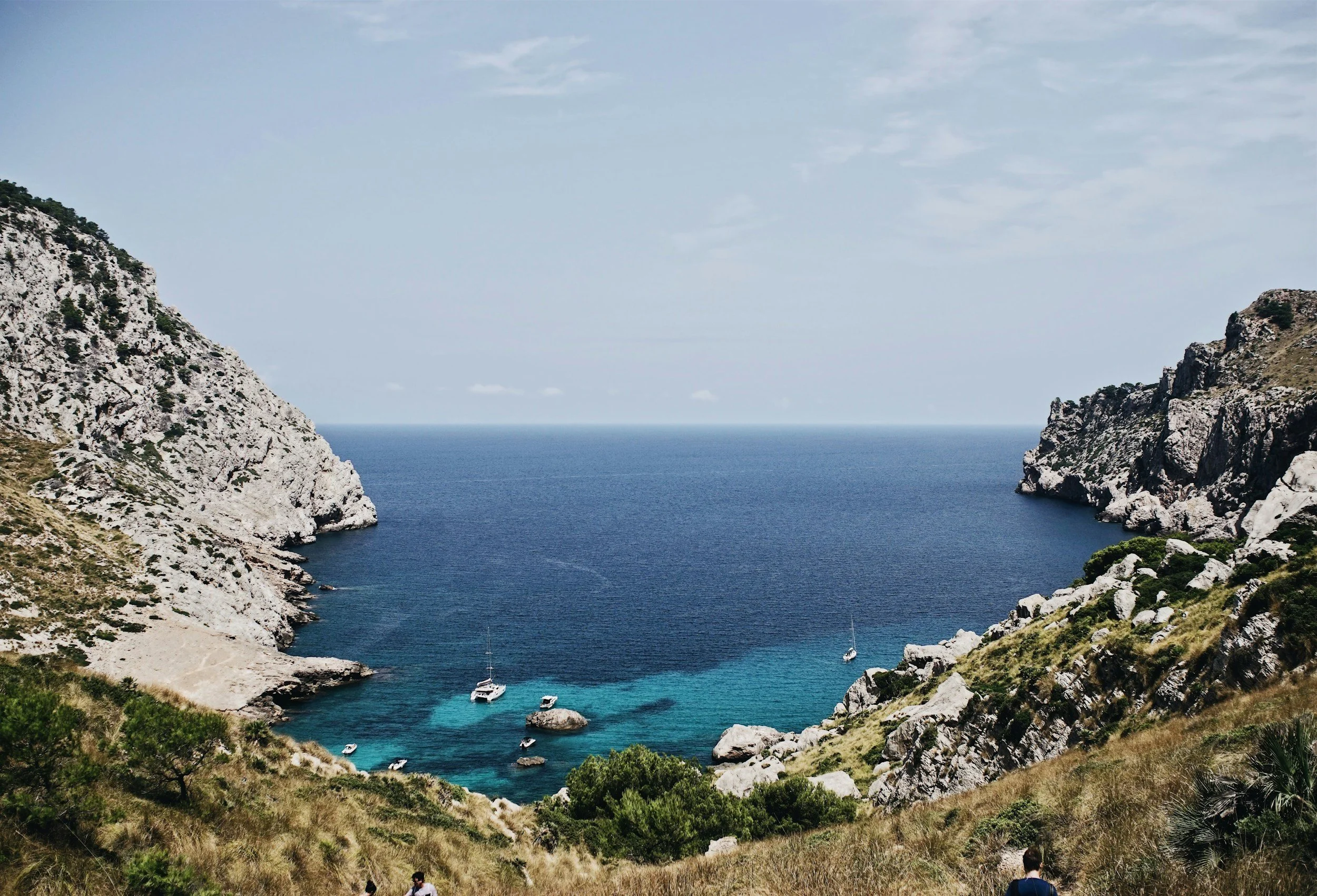
Cap Formentor: The northern cape and Formentor beach are stunning, with the highest lighthouse in the Balearics and views as far as Menorca. In tourist season, the access road is closed to private cars (it’s a skinny, hairy drive). To get to cape, you need to take the L334 shuttle bus, from Port of Pollença. It departs every 35 minutes, costs a few euros, pay by card and parking is free at the central bus stop in Port of Pollença. It stops at the Mirador de Es Colomer viewpoint, Formentor beach, Cala Murta/ Figuera coves and the lighthouse.
The West Coast
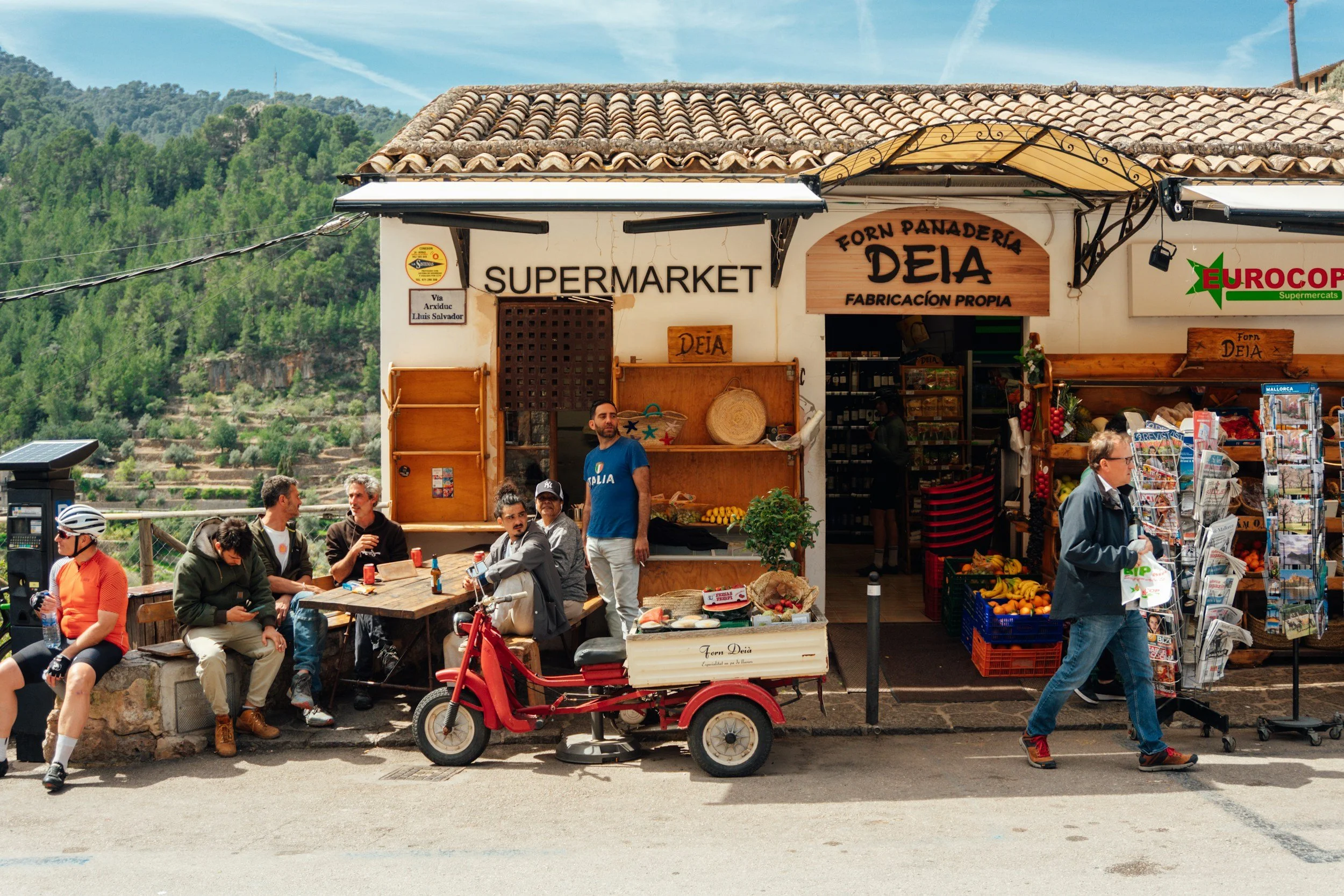
The prettiest side of the island, with the Tramuntana mountains, dramatic views, and tiny beach coves. The route takes you from Port d’Andratx in the south west to Soller in the north west; you can either take the coast road or go the inland road into the mountains to get to Valldemossa.
Drive carefully and look out for signs saying “mirador” or “punt de vista” for viewpoints where you can stop to take photos. Mirador d’en Ricardo Roca is one of the famous viewpoints.
Port d’Andratx: an elegant town with a marina full of yachts. There’s a ton of great – and quite fancy – restaurants with sea views
Valldemossa: the jewel of the west coast. Famous for its ancient monastery, honey-colored stone architecture, and timeless charm. Great place for a wander and to grab a warm Coca de Patata, Valldemossa’s famous sweet potato pastry from a bakery.
Other good snack/lunch options include: QuitaPenas (tapas and traditional pa amb oli breads with savoury toppings), Es Taller, quaint with delicious dishes on the edge of town and rustic Can Costa on the way from Valledemossa to Deia could be a good call for a paella!
Deia: my personal favourite! An artist’s village perched on the hilltop, with little shops and galleries dotted around, and cafes for a snack/lunch.
If you decide to stay here for an early dinner, try Restaurant Sebastian or Balm, which opens from around 5:30pm.
Soller/Port de Soller: The road from Deia leads down to Soller, a lively, colorful town that used to be the center of the orange trade. The port is close by and has a pretty promenade. Tons of options for lunch or dinner, including El Petit Bistro for creative Mediterranean dishes (sometimes suckling pig), or La Romaguera for tapas or an aged Galician steak.